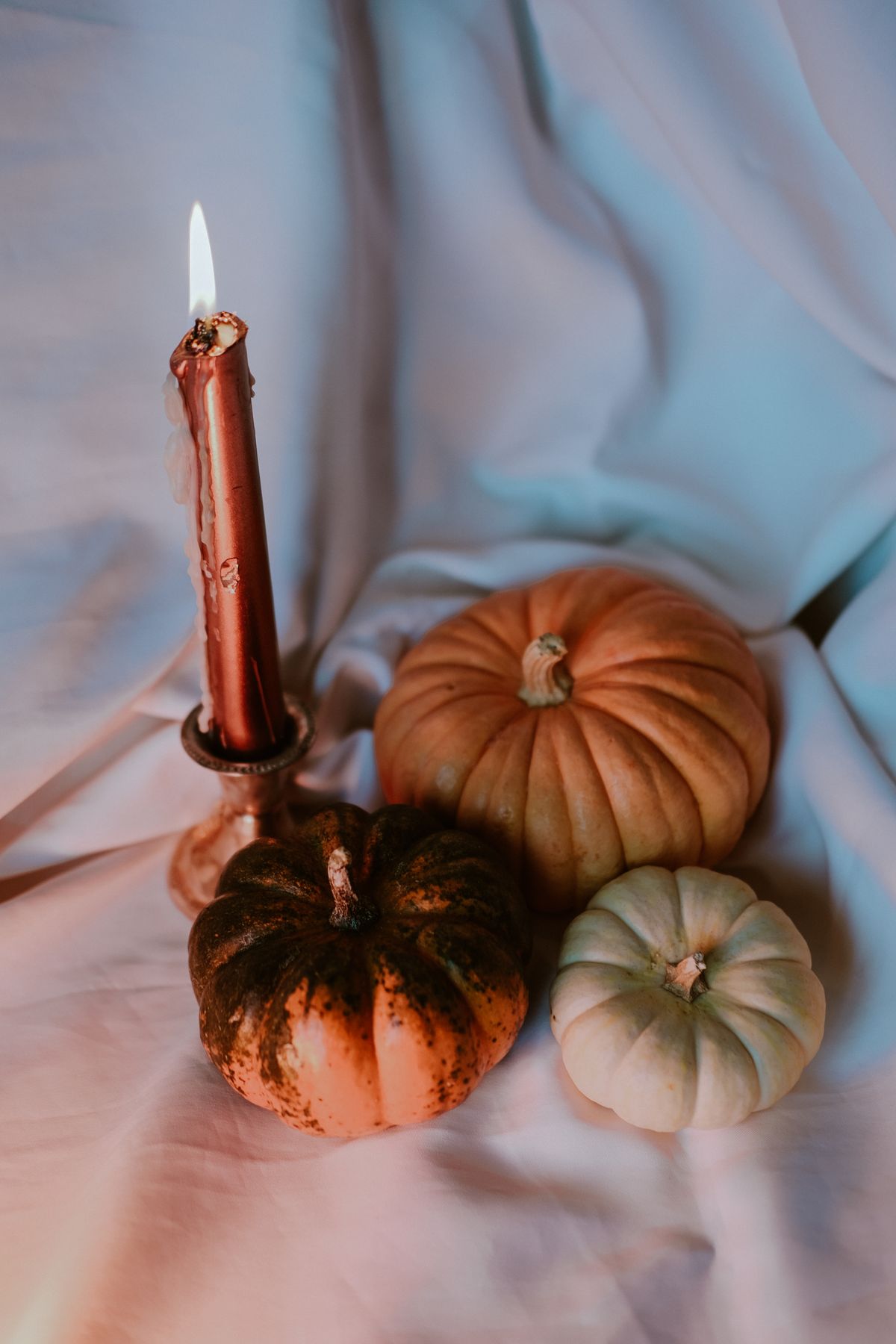
A fall candle can suggest fruit, spice, or an entire dessert before you have even opened it. The name is part of the invitation.
The scent you want lingering beside the sofa is the part that will matter once the packaging is put away.
NEST’s Autumn Plum and Pumpkin Chai offer two ways to bring seasonal fragrance into a room.
Compare the published notes
NEST describes Autumn Plum with wild plum and cinnamon, plus patchouli leaf and kashmir wood. Its Pumpkin Chai description names wild pumpkin, masala chai, cardamom, ginger and cinnamon.
Both include spice, so the difference is more useful than a simple fruit-versus-spice label.
From those published notes, Autumn Plum points toward fruit with a woody base; Pumpkin Chai points toward a fuller warm-spice blend. That is a reading of the brand’s descriptions, not a report from testing either fragrance.
Sample in person when possible before choosing what will linger in your room.
Avoid judging a candle only from an unlit sniff. The experience in a room can differ, and room size, ventilation and personal sensitivity all affect how noticeable a fragrance feels.
Choose the format deliberately
A candle offers fragrance during supervised burn time, a reed diffuser provides a more continuous presence. Those are different commitments, especially in a small room or a home shared with someone who prefers less scent.
Check the size and care guidance for the exact product. A larger format is not automatically better if the room needs only a gentle background fragrance.
Try a seasonal fragrance in a living area without adding several competing scented products. Keep candles on stable, heat-resistant surfaces and follow their burn instructions.
Never leave a burning candle unattended.
Choose a fragrance the people sharing the room enjoy. One small seasonal change can be enough to make the space feel different.
This article is based on published product information, not hands-on testing.